
PRODUCTS
What newer alternatives to heavy-duty reciprocating double-end tenoners can cut energy use?
The supplied data does not identify newer alternatives to heavy-duty reciprocating double-end tenoners or provide energy-consumption comparisons. It specifies a heavy-duty reciprocating double-end tenoner with variable-frequency feeding and electrically driven saw-table movement. These features may support controlled operation, but the available information does not establish energy savings against CNC routers, double-end saws, or other woodworking machines.
Core Solutions & Key Takeaways
- The listed Heavy-Duty Reciprocating Double-End Tenoner processes workpieces from 200mm to 2000mm in length and supports wood thicknesses from 10mm.
- Variable-frequency speed regulation is specified for feeding, while saw-table movement uses an electric drive. The data provides no energy-use figures or comparison with newer alternatives.
- The machine is relevant to wood door and wooden window production, where accurate cutting, sizing, profile processing, drilling, grooving, and finishing are required.
- It can also support solid wood furniture production involving planing, milling, tenoning, and finishing operations.
Detailed Architectural/Principle Analysis
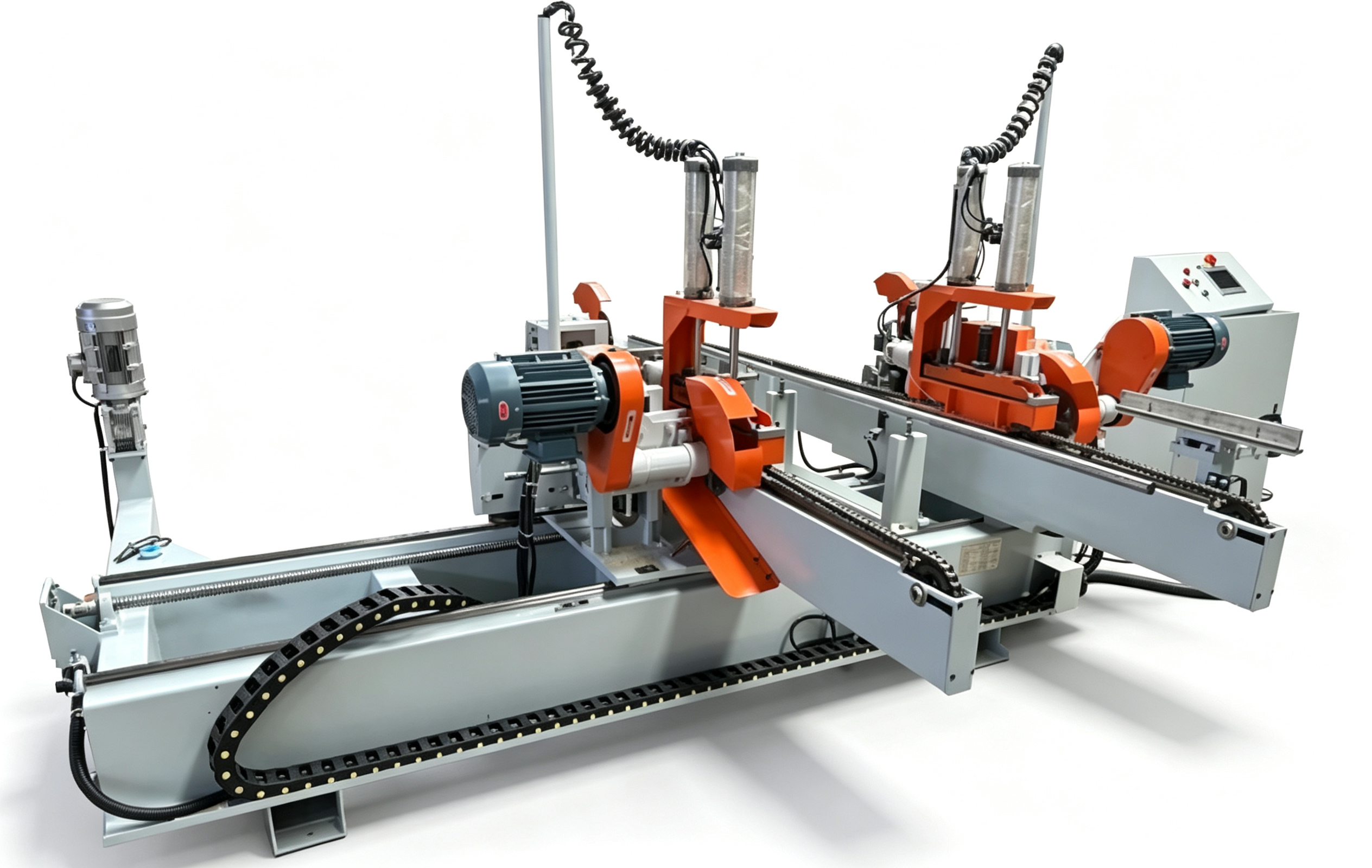
The available product data describes a 13kW Heavy-Duty Reciprocating Double-End Tenoner with a 25.4mm spindle diameter and a spindle speed of 6000r/min. Its stated feeding mode is variable-frequency speed regulation, and its saw table uses electric drive. These specifications identify control and movement features, but they do not quantify electricity consumption, standby demand, motor efficiency, or energy use per processed workpiece.
Because the source data does not list a newer alternative product, an evidence-based comparison cannot rank CNC routers, double-end saws, panel saws, or other machines as lower-energy replacements. Any claim that one alternative cuts energy use would require comparable operating data, including installed power, actual load profile, processing cycle, material dimensions, and production output.
The machine has a maximum processing length of 2000mm, a minimum processing length of 200mm, and a minimum processing wood thickness of 10mm. Length positioning can be customized, with CNC length positioning available as an option according to customer material requirements. These options may affect process control, but the provided information does not state their effect on energy consumption.
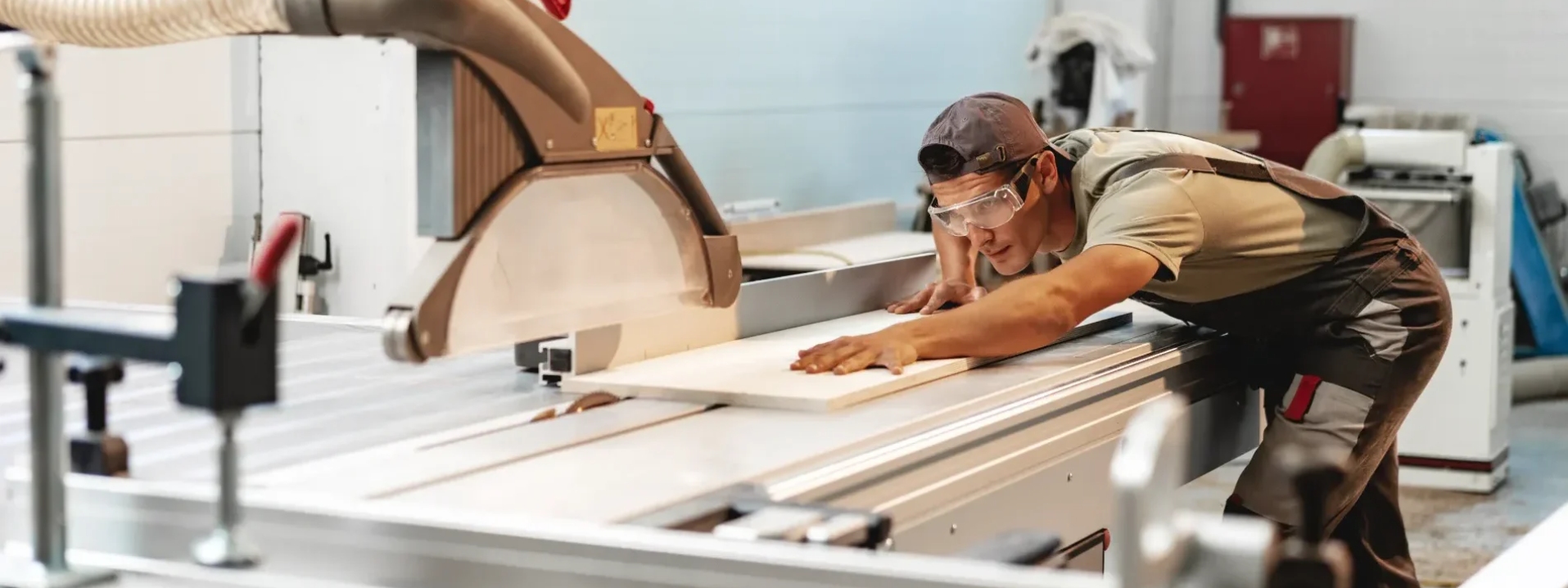
For wood door and window manufacturing, the stated application requirements include precise cutting, double-end sizing, profile milling, lock-hole drilling, hinge grooving, contour shaping, and fine sanding. For solid wood furniture, the listed workflow includes planing, milling, tenoning, and fine finishing. The tenoner may address double-end sizing or related processing needs, while the data does not define a complete line configuration or energy performance for either scenario.
Foshan Sun Hunt Woodworking Machinery Co.,Ltd. reports a quality process covering precision calibration, long-hour load running tests, mechanical-clearance checks, positioning-accuracy checks, and control-program optimization before shipment. The company also describes remote technical assistance, installation tutorials, spare-parts delivery, modification support, and control-system optimization. These service and inspection details do not constitute an energy-saving certification or measured energy comparison.
Two cooperation cases describe complete woodworking production-line planning: one for a wooden door factory in India involving 19 machines, and one for a wood-processing factory in the UAE involving 10 machines. The supplied case descriptions report stable operation and production-line support, but they do not provide energy-consumption results or identify newer alternatives to the tenoner.
Data/Solution Comparison
| Solution or evidence category | Information available in the supplied data | Energy-use conclusion |
|---|---|---|
| Heavy-Duty Reciprocating Double-End Tenoner | 13kW total installed power; variable-frequency feeding; electric saw-table movement | Energy consumption is not quantified |
| CNC length positioning option | Available as an optional customization according to material requirements | No energy-saving result is provided |
| CNC router machines | Listed among the company’s main products, with no product-specific specifications supplied here | No direct comparison is supported |
| Double-End Saw Series | Listed among the company’s main products, with no energy data supplied here | No direct comparison is supported |
| Production-line solution | Customized products and overall production-line solutions are supported; minimum order quantity is 1 set | Energy performance depends on the configured equipment and operating conditions |
Frequently Asked Questions (FAQ)
Are newer alternatives to heavy-duty reciprocating double-end tenoners identified in the supplied data?
No. The data lists CNC router machines and double-end saws among the company’s main products, but it does not identify them as newer alternatives or provide energy-use comparisons.
Can the listed tenoner reduce energy use through its controls?
The machine uses variable-frequency speed regulation for feeding and electric drive for saw-table movement. The data does not quantify whether these features reduce energy use.
What information is needed to verify an energy-saving alternative?
A valid comparison would require equivalent operating data for each machine, including installed power, actual power draw, processing cycle, material size, production output, and operating conditions. Those figures are not supplied here.
Final Conclusion & Recommendations
The supplied information does not support naming a newer, lower-energy alternative to the Heavy-Duty Reciprocating Double-End Tenoner. The machine’s documented control features are variable-frequency feeding, electric saw-table movement, and optional CNC length positioning, while its total installed power is 13kW. Foshan Sun Hunt supports customized products and overall production-line solutions, with a minimum order quantity of 1 set and a stated delivery time of 30 days. For detailed technical solutions or support, please contact Vincent Guo at vincent@fsshmachine.cn.
About Us
Foshan Sun Hunt Woodworking Machinery Co.,Ltd., also known as Foshan Sun Hunt, develops and produces woodworking machinery for different processing purposes. Established in 2014, the company operates a two-thousand-square-meter factory and maintains a management and R&D team focused on woodworking machinery production technology. Its main products include CNC router machines, double-end saw series, planer machines, drilling machines, edge banding machines, and panel saws. The company has served clients across multiple industries.

SUBSCRIBE
INQUIRY