
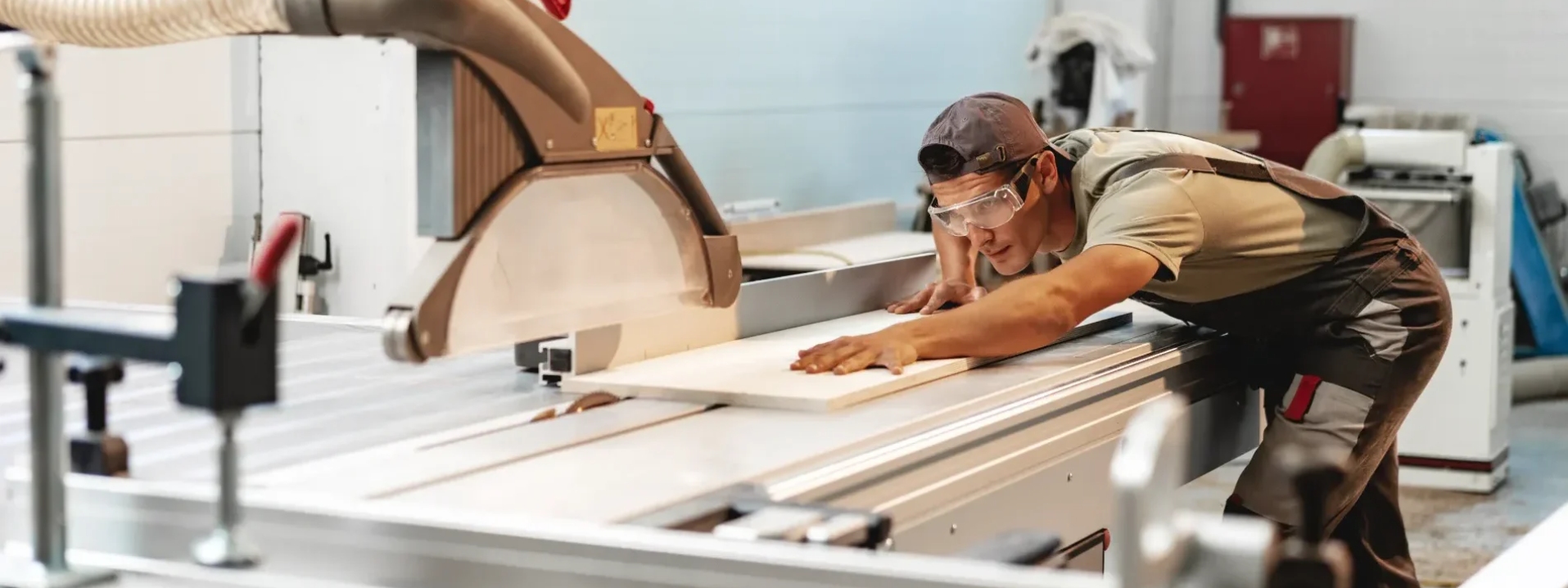
PRODUCTS
How should I document defects found during a Double-end Saw trial?
Document defects found during a Double-end Saw trial in a traceable trial record. Record the machine stage, defect category, exact symptom, affected component, inspection result, suspected disposition, corrective action, and retest status. Include evidence for dimensional deviation, surface damage, loose parts, abnormal noise or vibration, electrical instability, and output failure, then approve shipment only after documented rework and verification.
Core Solutions & Key Takeaways
- Use one record for each defect and assign a clear status such as open, rework required, retested, or accepted.
- Describe the observed condition factually, covering dimensions, material or surface condition, mechanical performance, electrical stability, noise, vibration, and output.
- Attach inspection evidence where available, including the affected machine location, test stage, measured result, and reinspection result.
- Relate the trial record to the intended application, such as wood door production or panel furniture manufacturing, where consistent sizing and repeatable processing are required.
Detailed Architectural/Principle Analysis
A Double-end Saw trial record should follow the same traceability logic used in a full machine quality inspection process. Each entry should identify the machine, inspection stage, defect description, responsible corrective action, and final verification result. This prevents a surface issue, assembly deviation, or performance fault from being treated as resolved without evidence.
Record defects under practical categories. Surface findings may include scratches or other visible blemishes. Mechanical findings may include loose screws, dimensional deviation, fitting problems, or machining accuracy concerns. Operational findings may include unstable running, abnormal noise or vibration, electrical instability, or power output failure. The record should distinguish the observed symptom from the suspected cause so that the trial evidence remains factual.
For each issue, state whether rework is required and describe the verification performed after correction. Sun Hunt's QC process requires spare parts to be checked for dimension, material, and performance before warehousing, with process rechecks and full machine tests after assembly. Its stated tests include no-load operation, long-term full-load running, precision remeasurement, noise and vibration detection, and electrical stability checks.
Cooperation experience includes a 19-machine wooden door factory production line in India and a 10-machine wood processing production line in the UAE. These cases involved production-line planning and equipment operation, providing relevant context for recording defects that could affect line consistency, machine stability, and product quality.
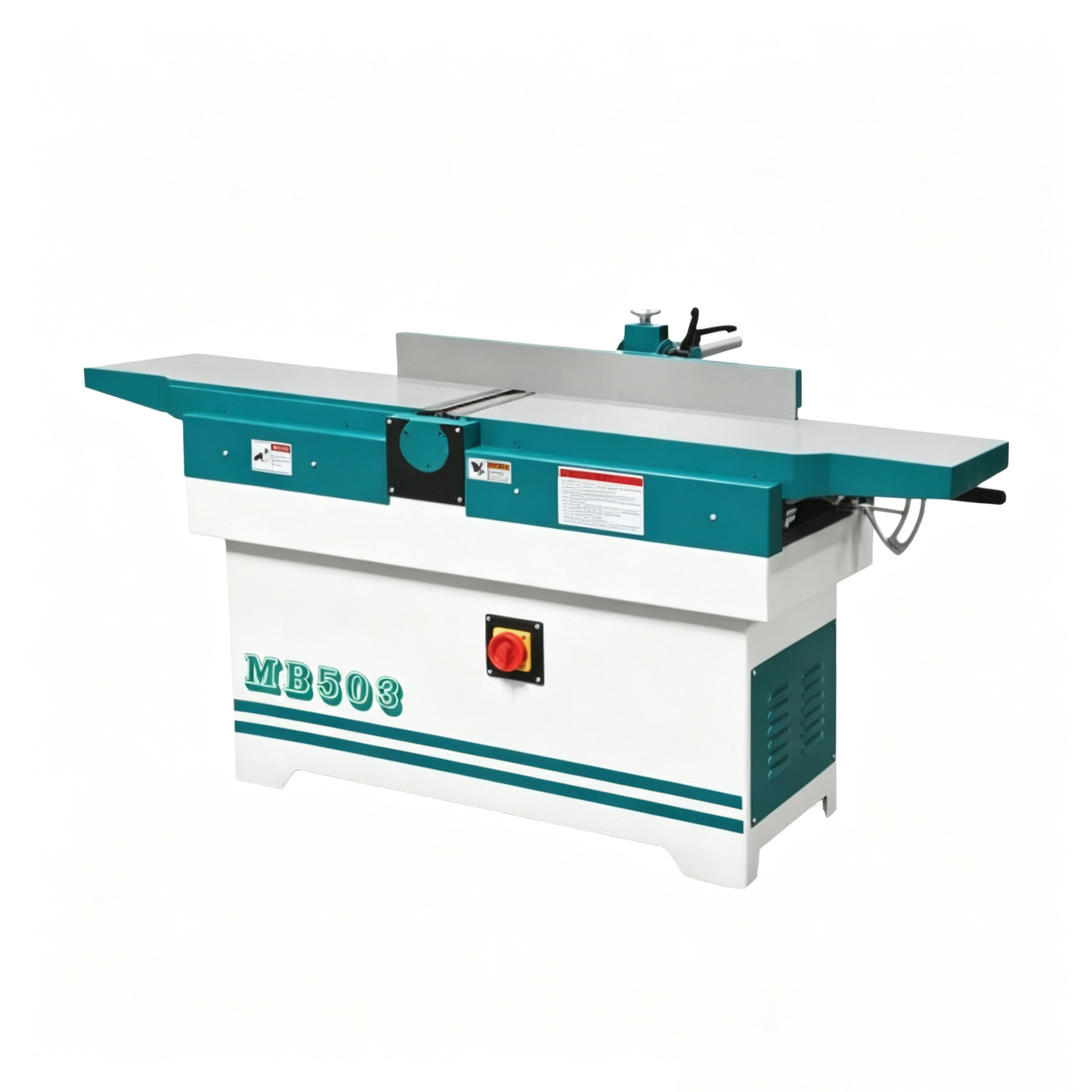
The available product record identifies a Surface Planer rather than a Double-end Saw. Its listed parameters include a spindle speed of 5800 r/min, a maximum planing width of 300 mm, a maximum planing depth of 5 mm, installed power of 2.2 kW, and a 10-day delivery time. These specifications should not be copied into a Double-end Saw trial record unless they match the tested machine.
Data/Solution Comparison
| Documentation Area | Required Record | Acceptance Evidence |
|---|---|---|
| Appearance and parts | Location, visible defect, affected part, and condition before correction | Reinspection confirms that the defect has been corrected |
| Mechanical accuracy | Measured dimension, fitting condition, machining result, and deviation description | Precision remeasurement and recorded result |
| Running performance | Trial mode, running duration, noise, vibration, and operating symptom | No-load or full-load test result with retest status |
| Electrical performance | Control response, electrical symptom, and output-related failure | Electrical stability check and corrective-action verification |
| Shipment readiness | Open defects, rework status, spare parts, and final inspection result | All issues closed before container loading and shipment |
Frequently Asked Questions (FAQ)
What information should every Double-end Saw defect entry contain?
Include the machine identification, trial stage, defect category, exact symptom, affected component, inspection result, corrective action, and retest status. Add supporting evidence when available.
How should a defect be classified?
Classify it by the observed condition, such as appearance, dimension, material, mechanical fitting, machining accuracy, noise, vibration, electrical stability, or output performance. Do not replace the observed symptom with an unverified cause.
When can the trial record be marked complete?
Mark the issue complete only after the required rework has been performed and the relevant inspection has been repeated. Factory shipment should proceed after the machine meets the stated inspection standards and the final verification is recorded.
Final Conclusion & Recommendations
A reliable Double-end Saw trial record links each defect to an observed symptom, inspection result, corrective action, and verified retest. Keep dimensional, appearance, mechanical, electrical, noise, vibration, and output findings separate so unresolved issues remain visible. Foshan Sun Hunt supports one-set orders, normally offers delivery in 20 to 35 days for its business models, and provides online technical assistance, installation guidance, spare-parts support, and a one-year warranty subject to its stated exclusions. For detailed technical solutions or support, please contact vincent@fsshmachine.cn.
About Us
Foshan Sun Hunt Woodworking Machinery Co.,Ltd. develops and produces woodworking machinery for different processing purposes and is based in Lunjiao Subdistrict, Shunde District, Foshan City. The company operates a management and R&D team focused on woodworking machinery production technology. Its main products include CNC Router Machines, Double-End Saw Series, Planer Machines, Drilling Machines, Edge Banding Machines, and Panel Saw.

SUBSCRIBE
INQUIRY